.png)


Why sanitary napkins and tampons are hurting you

Updated: Nov 1, 2020
Around 1.9 billion people in the world bleed for an average of 65 days a year which makes up one-quarter of the world population, yet we still have loads and loads of unanswered questions like which is better for me sanitary napkins, tampons, or menstrual cups? Bringing up the age-old dilemma.
Let’s have a look at the pros and cons of the three and decide for ourselves.

SANITARY PADS
Sanitary pads have come a long way from the heavy bulky diaper pads to what we get now
PROS
Options: they come in a lot of options, accommodating the changes in the flow of period
No painful Insertion: a lot of people do not prefer something artificial getting into their vagina or they might simply are unaware of how to insert a tampon and menstrual cup and thus it scares them. This is the reason why sanitary napkins are ruling the market.
No risk of Toxic Shock syndrome: Pads do not absorb the lubrication from your vagina and allow for the natural flow of menstrual blood.
TSS is a bacterial Infection caused if a tampon is left inside for too long as it absorbs the natural lubricants that protect your vagina from infections.
4. Can be worn overnight without risk
CONS
Visibility: though pads are thinner than ever now still they are visible under certain clothing
You cant swim in them
Bleach: the bleach in the pads is harmful and might even lead to cancer. well it doesn’t lead to cancer right away but since we wear pads for like 30-40 years contaminants like dioxin present in the pads might lead to cervical cancer or ovarian cancer
Risk of infection and rashes: If you are physically active through the day, the constant chafing between your legs could give you a pesky rash. And wearing the pad for a very long may lead to infection.
May lead to contact dermatitis
Not environment friendly as it takes nearly 500 years to fully decompose. It is made up of a leak-proof base of synthetics that soak up fluid and also the packaging
TAMPONS
Tampons are one of the most popular menstrual product in western countries. Well tampons do have some obvious advantages because of its small size
PROS
Won’t be irritable if inserted in properly, you can swim in them easily, they are as small as to fit in one hand and thus easy to carry.

CONS
Though tampons overcome the major drawbacks of sanitary napkins yet have a few of its own.
Risk of TSS. It’s a rare but life-threatening complication of certain types of bacterial infections.
Not all tampons are approved by the FDA.
Reusable tampons may carry additional risks of infections such as yeast, fungal, and bacterial infections.
The reusable tampons are not approved by the FDA.
First-time tampon users may find it hard to insert them, even after squatting, lying, or lunging to find the right way to insert them. Some women also feel discomfort or pain during insertion.
Finding the right size and type for your flow takes some trial and error (i.e., there will be accidents).
While tampons are in your vagina and in no way should block your urethra, a full tampon may sometimes push against your vaginal wall, making your pee stream a little thinner.
Be it tampons or pads, whatever you choose is not really good for our future as said before a pad takes 500-600 years to decompose fully and the tampons do contain plastics. Tampons come wrapped in plastic, encased in plastic applicators, with plastic strings dangling from one end, and many even include a thin layer of plastic in the absorbent part.
Growing concern about the environmental impact of disposable tampons and sanitary pads is alarming and thus has led to a resurgence of menstrual cups.
Menstrual cups are the ultimate solution to all the problems that occur with tampons and sanitary pads.
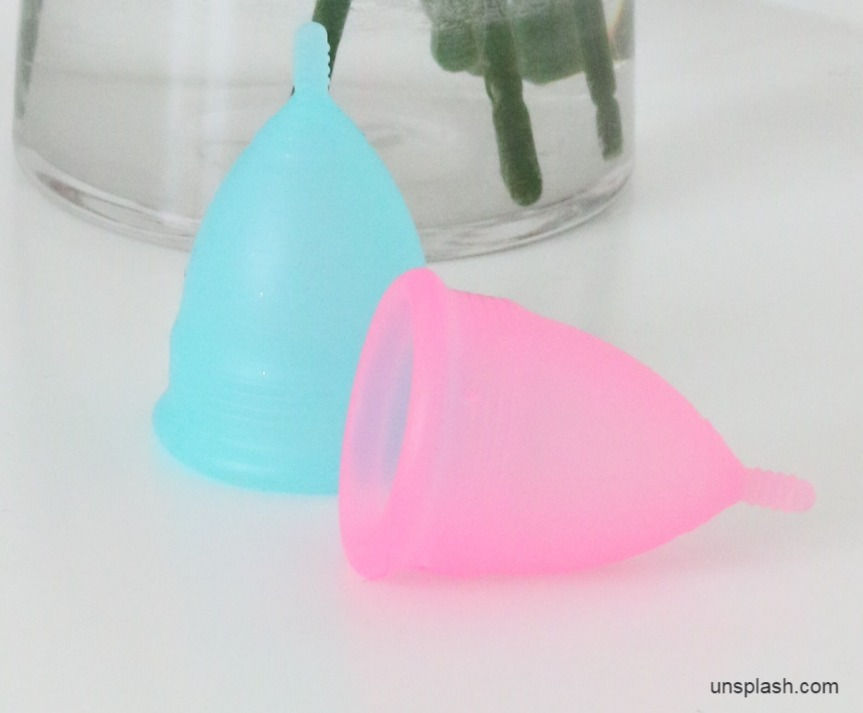
They are environment friendly as they are made up of silicone and rubber, they are reusable, cheaper, last for around 10 years, can we worn for 12 hours at a time, are hassle-free and can be worn during swimming, and last but not the least they do not affect the vaginal Ph thus do not lead to infections and makes less period smell.
TEAM EDITORIAL 2020-21
Rtr. Niti Thakkar
Rtr. Srishti Srivastava



Comments